
A European Brand's Playbook for Entering the Canadian Market
Bilingual labelling, the Big 5 retailers, cold chain logistics, and cultural adaptation - a practical guide for European food brands looking to sell in Canada.
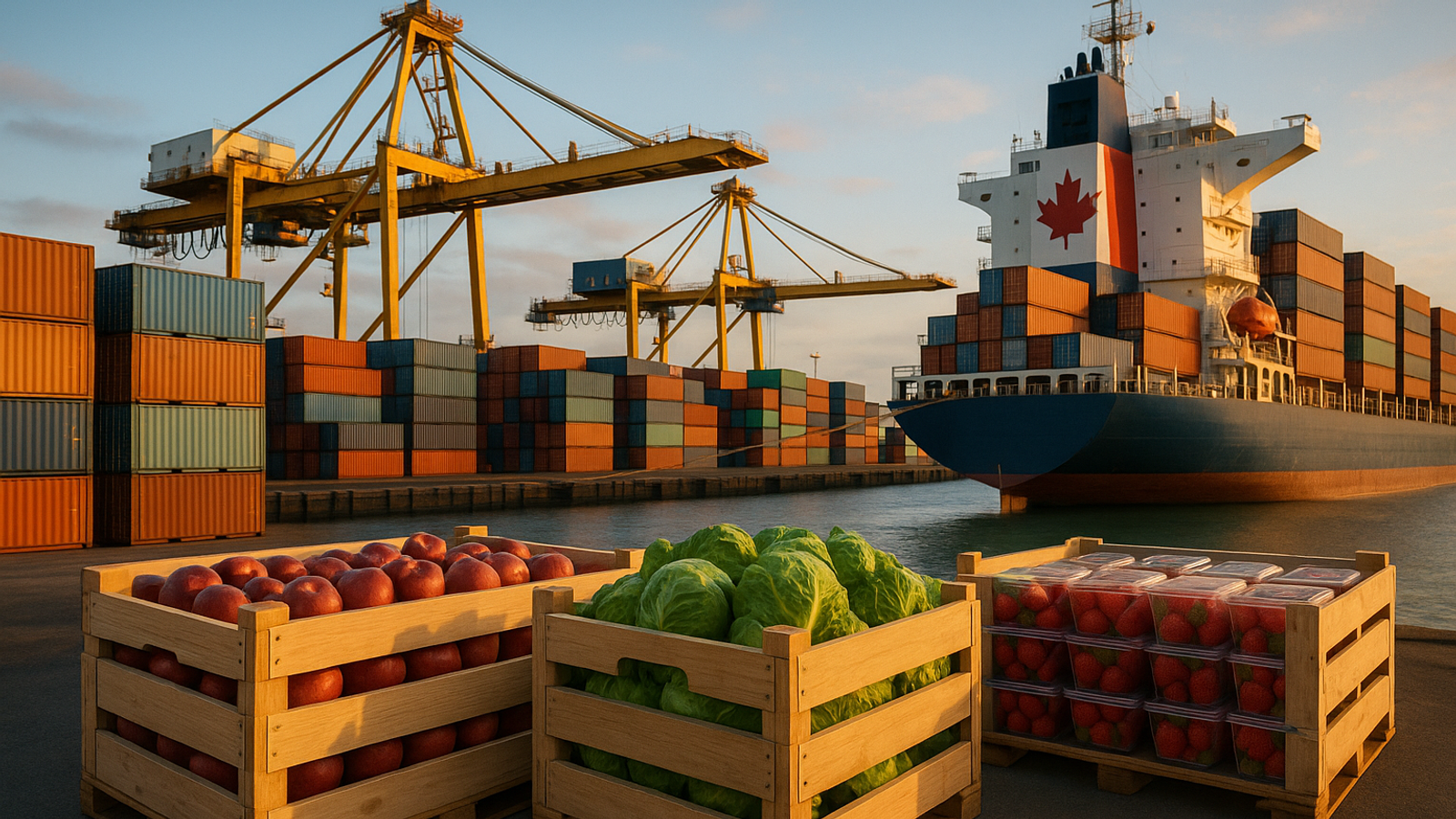
Canada is an attractive market for European food brands. With 40 million consumers, strong purchasing power, a multicultural population hungry for international flavours, and a stable regulatory environment, it checks every box. But entering successfully requires more than shipping pallets across the Atlantic.
Here's a practical guide to what European brands should know - and plan for - before entering the Canadian market.
1. Regulatory: CFIA Labelling Is Non-Negotiable
The Canadian Food Inspection Agency (CFIA) enforces labelling requirements that differ from EU standards in important ways. Every product sold in Canada must have:
- Bilingual labelling (English and French) on all consumer-facing text
- A Nutrition Facts table in the Canadian format (different from EU/UK formats)
- Ingredient lists following Canadian naming conventions
- Allergen declarations per Health Canada's priority allergen list
- Net quantity in metric units
- Name and address of the Canadian importer or distributor
The bilingual requirement alone stops many brands at the gate. European packaging designed for a single language market needs a complete redesign for Canada - or at minimum, bilingual sticker overlays. An experienced Canadian distributor can guide you through this process and connect you with compliant packaging solutions.
2. Understand the Retail Landscape
Canadian grocery retail is concentrated. Five major banners control approximately 80% of the market:
- Loblaw Companies (Loblaws, No Frills, Shoppers Drug Mart) - ~28% market share
- Sobeys (Sobeys, FreshCo, Farm Boy, IGA) - ~21% market share
- Metro (Metro, Food Basics, Jean Coutu) - ~11% market share
- Walmart Canada - ~12% market share
- Costco Canada - ~8% market share
Each banner has its own buying process, listing fee structure, promotional calendar, and category management approach. Getting listed with one does not guarantee listing with others. A national launch typically starts with one or two banners and expands from there.
Beyond the Big 5, specialty and independent retailers - particularly in multicultural neighbourhoods - can be excellent entry points. They're more open to new brands, have lower listing barriers, and provide real-world consumer feedback before you approach national chains.
3. Distribution and Cold Chain Logistics
Canada is the world's second-largest country by area, but its population clusters along a narrow band near the US border. This creates unique distribution challenges:
- Distance: Vancouver to Halifax is 6,000 km - roughly equivalent to Lisbon to Moscow
- Climate: Products must survive -30°C warehouse conditions in winter and +35°C summers
- Regional differences: Quebec operates in French; Western Canada has different retail dynamics than Ontario
A domestic distribution partner with national warehouse infrastructure and established retailer relationships eliminates these complexities. They handle customs clearance, storage, inventory management, and last-mile delivery to retail - letting you focus on what you do best: making great food.
4. Cultural Adaptation Without Losing Authenticity
Canada's multicultural population is a massive advantage for European food brands. Over 20% of Canadians are foreign-born, and multicultural cuisine influences mainstream food trends. German, Italian, British, and Eastern European food traditions have established consumer bases across the country.
The key is adapting your go-to-market approach without diluting your brand. This means:
- Translating your brand story for a Canadian audience (not just your label)
- Identifying which SKUs resonate in Canada vs. your home market - they may differ
- Pricing appropriately: Canadians will pay a premium for authentic imports, but there's a ceiling
- Investing in sampling and in-store demos - trial drives repeat purchase for unfamiliar brands
5. Why a Local Partner Matters
The brands that succeed in Canada almost always share one trait: they chose the right local partner. A strong Canadian distributor doesn't just move boxes. They provide:
- Retailer relationships built over years of trust and performance
- Category expertise - knowing where your product fits and what adjacent products it competes with
- Regulatory navigation - handling CFIA compliance so you don't have to
- Marketing execution - trade programs, in-store merchandising, promotional planning
- Market intelligence - real-time feedback on what's working and what needs adjustment
Husky Foods has been doing exactly this for over 58 years, building 48+ European brands into Canadian retail successes. If you're considering the Canadian market, let's talk about how we can help.
Ready to grow your brand in Canada?
Whether you're a European brand exploring distribution or a retailer seeking premium imports, Husky Foods is your partner.
Related Articles

May 22, 2026
5 European Food Trends Reshaping Canadian Grocery Shelves in 2026
From plant-based gummies to volcanic mineral water, five European food trends are changing what Canadian retailers stock and consumers expect. Here's what's driving the shift.
Read more →
May 23, 2026
From the Black Forest to Canadian Shelves: Ritter Sport's 50-Year Journey with Husky Foods
How a bet on a square chocolate bar in 1970 became one of the most enduring partnerships in Canadian food distribution. The Ritter Sport and Husky Foods story.
Read more →